Your website might be losing potential customers without you even realizing it.
Conversion Rate Optimization (CRO) helps you find out why visitors leave without buying or enquiring and fix what's stopping them from converting.
Conversion Rate Optimization (CRO) helps you find out why visitors leave without buying or enquiring and fix what's stopping them from converting.
If you recognize your business in any of these, it's time to find out what's holding your conversions back.






Our CRO strategists analyze the full path to purchase on your store and pinpoint what stops people from completing the sale.

The friction points we find on your website pages, your cart and checkout, and mobile: gaps, missing elements, and steps that make people hesitate.

How it holds up against current ecommerce standards, how buying psychology actually works, and what a few competitors do at the same steps that you do not.

The main changes worth making, and which ones can move performance the fastest.
The same process we have run on 45 sites over 7 years. The deeper work, session recordings, funnel analysis and a full testing roadmap, comes later if we end up working together.
What conversion rate optimization looks like for ecommerce and B2B Three of 45 brands we've done conversion rate optimization work for.
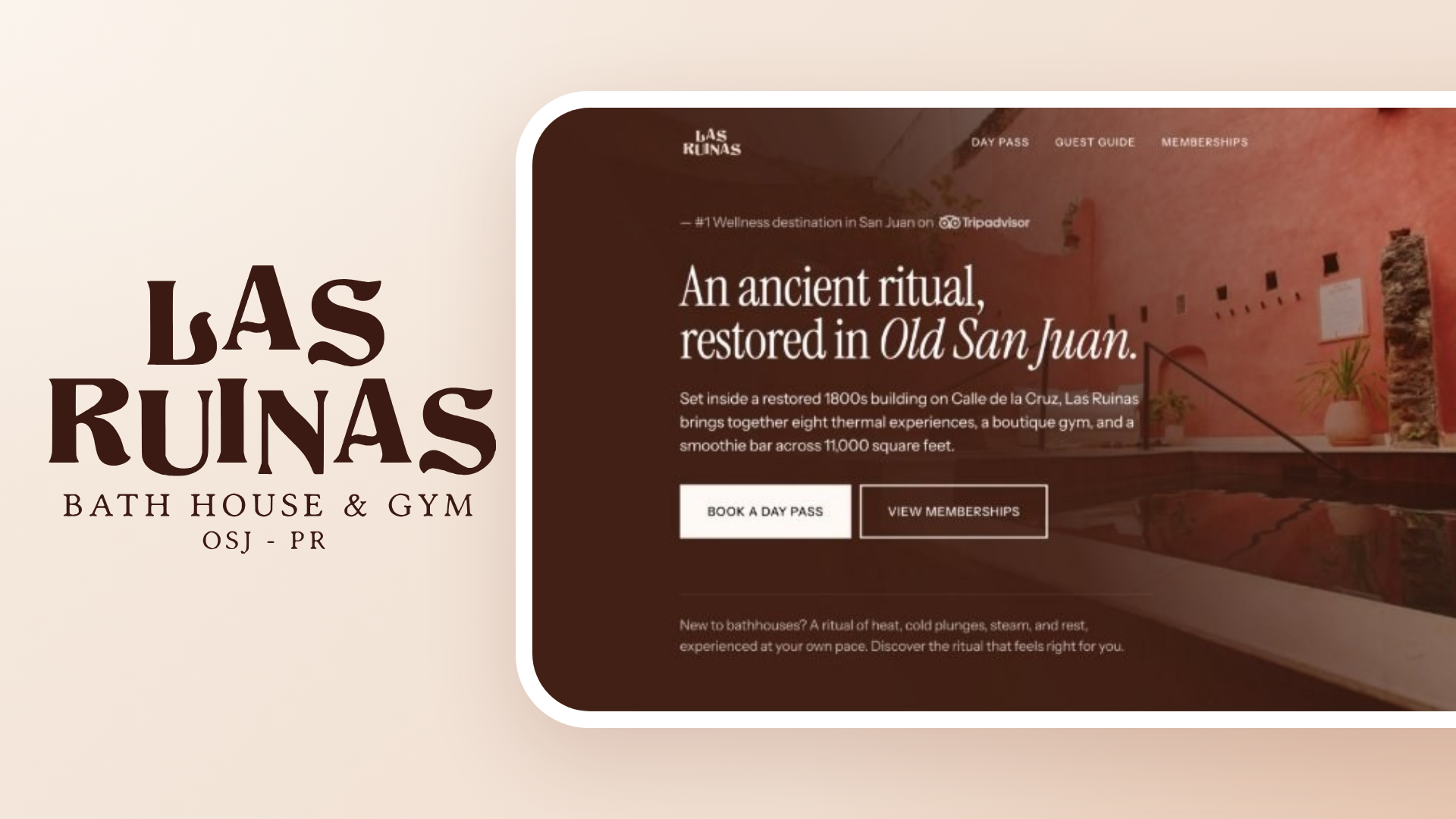
Building an ad landing page for Puerto Rico's first modern bathhouse
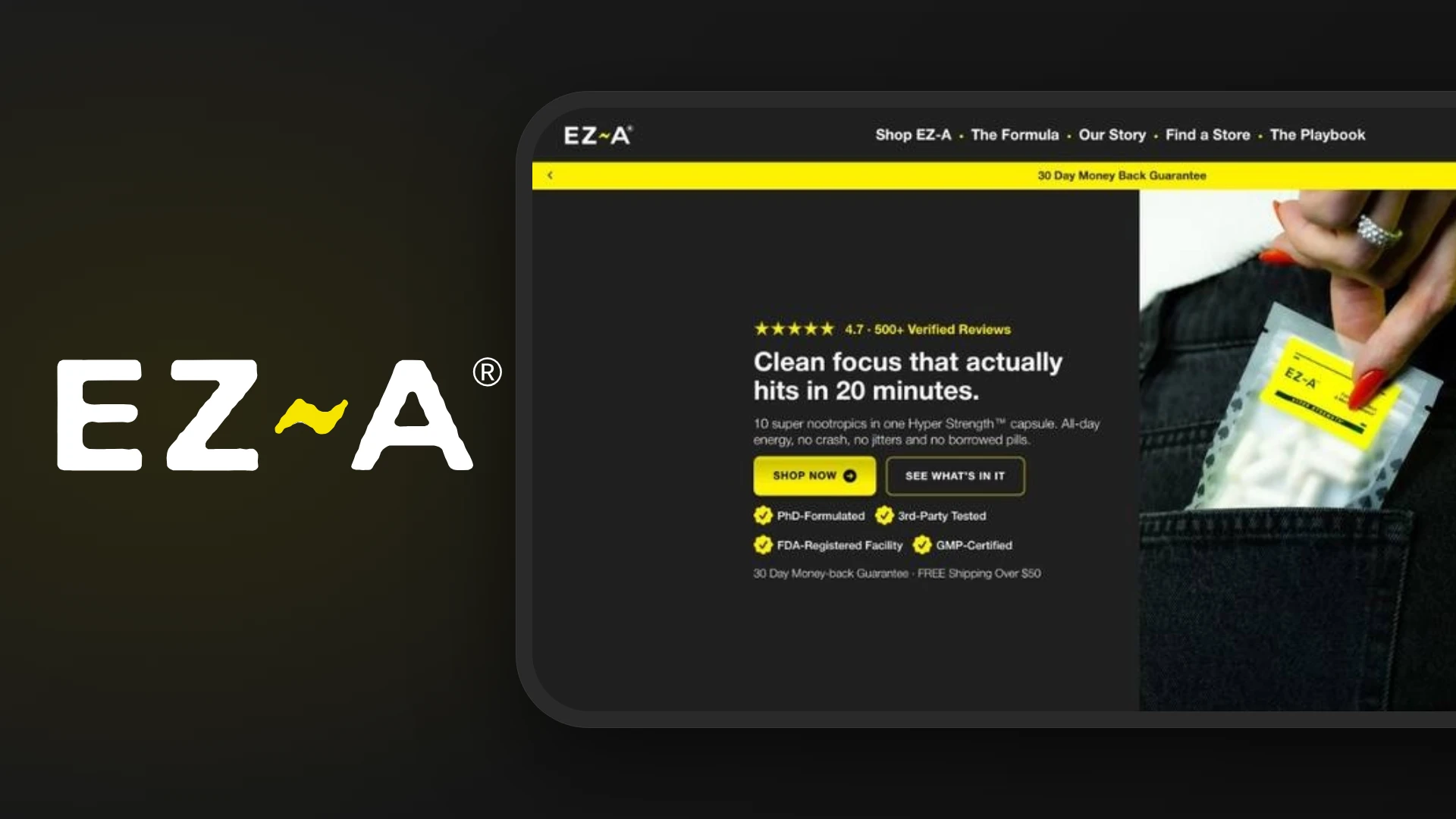
Rewriting a one-product nootropic store for the skeptical shopper
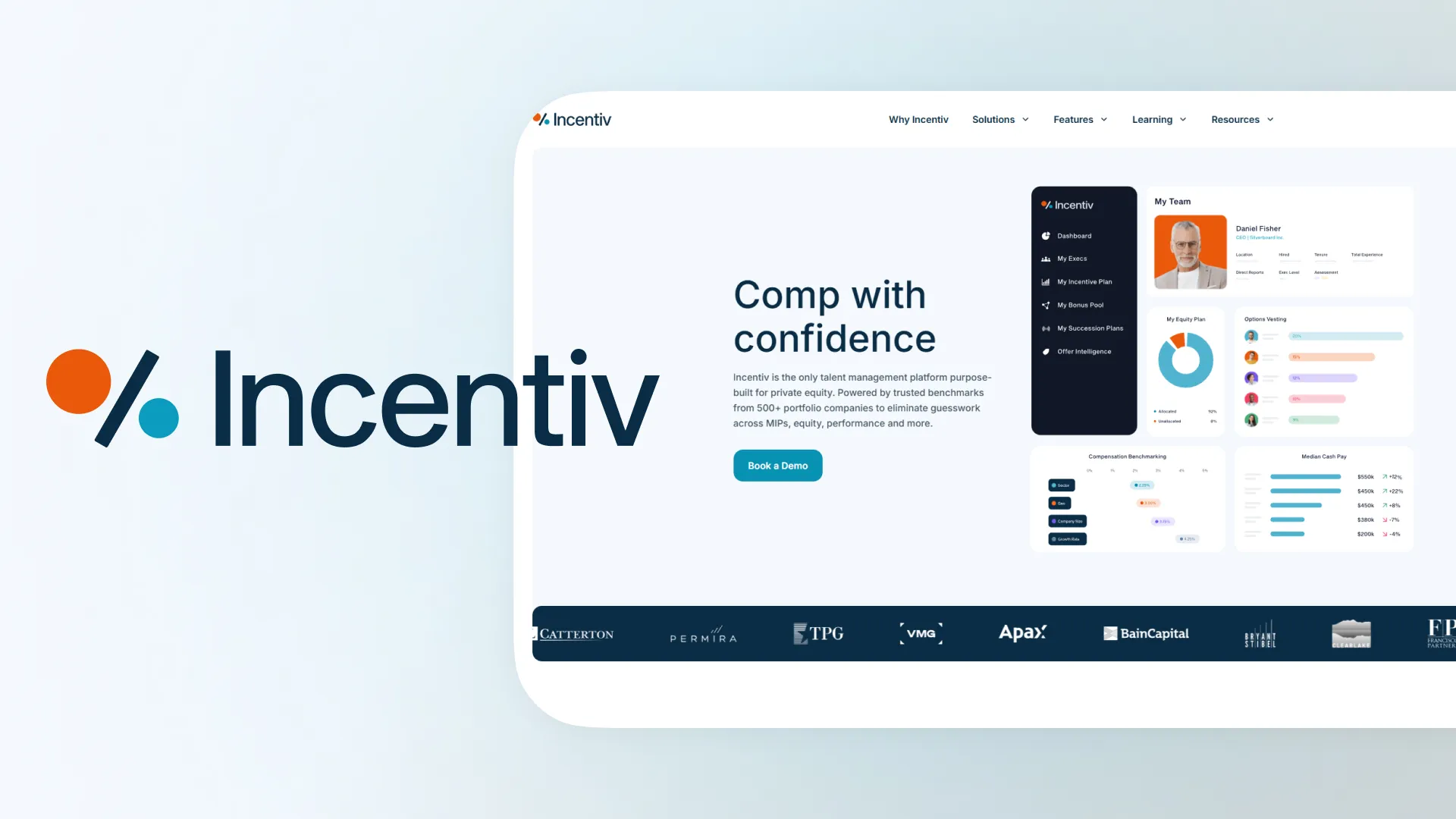
Repositioning a PE talent platform around outcomes, not features
Conversions, plus 17% average order value
Read Case StudyIncentiv, a portfolio-talent platform for private equity, was opening on a dense dashboard and the line "Comp with confidence," leaving high-stakes buyers to assemble the business case from feature grids while the recognizable PE logos and real outcomes sat far below the fold.
Charly rebuilt the narrative around the buyer instead: outcome-first positioning in the hero, proof moved up top, use cases split into tabs so buyers self-select their path, and a challenge-to-solution structure that reframes Incentiv from software into the expert-managed, white-glove service that justifies its premium pricing.
30 minutes with Santiago, founder of Charly. You tell him about your store, your traffic and where you think you are losing sales. He tells you whether we can help.
Our team goes through your website pages, your checkout and your closest competitors, the same way we have for 45 ecommerce brands. Nothing needed from you.
On a second call you see everything we found and get a clear answer on what to fix first. The teardown is yours to keep, whatever you decide next.
Designers and developers sit on the same team as the strategists, so what we find on Monday isn't waiting on your dev queue in March.
We run brand strategy alongside the conversion work, so the changes that lift your numbers still look and sound like you.
The person who runs your teardown reviews every iteration the designers and developers ship, so the reason for a change survives the build.



Charly Agency's efforts increased organic search traffic by 89% and decreased the cost per conversion by 17%. Their commitment to quality work, and persistence to keep working until the website was perfect was impressive.

Very nice communication, and they accommodated the payment options I needed due to our situation. That helped a lot

Great experience working with Charly Agency. Professional team, strong design and development skills, and very smooth communication throughout the project. Highly recommended.

Charly Agency delivered on time and was easy to communicate with via virtual meetings.

Thanks to Charly Agency's efforts, the client saw an increase in conversion. The team was responsive and delivered on time.

Great end product and very easy to work with as a team. The design and creative came through loud and clear, and the copywriting was super helpful.

Their team impressed us across the board with great designs, quick responses, and they always respected our deadlines.

They really took the time to understand our customers and what makes us different. That understanding came through in everything they built.

The team was very easy to work with. They took the time to learn about our business and were attentive and understanding of our needs.

We wanted an agency that could truly align with our mission, and they checked every box. They understood what mattered to us and delivered on it.

Conversions jumped by double digits, and we're now in a solid position to measure and push conversion further, especially on gym finder usage and affiliate interest.

Rather than applying a templated approach, they took the time to learn about our niche, our customers, and our goals.

The collaboration was seamless, the team was incredibly responsive, and the final website helped us reach a wider audience. They were very open to suggestions and valued our input. The level of collaboration made the process feel like a true partnership.

They stood out by being completely transparent about timelines, pricing, and the process. Their experience showed in every decision they made.

Visitors increased more than two-fold and new sign-ups by 60%. The team was great to communicate with and delivered results on time.

They got our cost per click down while improving our conversion rate. The landing pages they designed had a direct impact on our campaign efficiency.

They kept the project moving with clear milestones and deadlines, but were never pushy. They made recommendations but always left the final call to us.

The results have been phenomenal. The most impressive outcome of the redesign has been a 20% increase in our conversion rate in only four weeks, proving the effectiveness of Charly Agency's design and strategy.

The onboarding was thorough, the timeline was realistic and well-managed, and the team was always available when we needed them.

I've seen a huge increase in sales. We're so happy with how the site turned out!

They proactively shared concepts, design directions, and optimization strategies, keeping us informed at every stage of the process.

Despite working on multiple projects, the team made us feel like we were their only client. The attention to detail in the design was rare to find.

The team was friendly and helpful, making the entire process stress-free. They responded to every question with patience and explained decisions clearly.

Our new website has made a huge difference for our business. Our site now instills confidence. The collaboration process was seamless and we have seen a surge in conversions.

The team made the entire process enjoyable. They were easy to reach, quick to respond, and always had solutions ready.

Great team, work, & results! Thank you! The collaboration was seamless, the team was incredibly responsive, and the final product was everything we wanted and more. The website helped us reach a wider audience and significantly improved our online presence. We couldn't be happier with the outcome.
They were upfront about costs, realistic about timelines, and proactive with updates. Their transparent approach made the project stress-free.

They always delivered on time and stayed responsive whenever I reached out. That kind of reliability made the process stress-free.

They stuck to our deadlines without fail, which I really appreciated. And the final website design was exactly what we hoped for.

I was really impressed by how efficient they were, and some of the methods they brought to the table were things we hadn't seen before.

Everything they delivered was top-notch, and you could tell they cared about getting it right. They showed a strong commitment to quality.

Several of my customers said the new website was a big improvement when we needed to transition our services to retail during COVID-19.

What I really liked was that the actual designers were the ones talking to us directly. That made communication clear and the whole collaboration smooth.

Santiago at Charly Agency is my go-to guy when it comes to anything related to web development and design. He’s not just good at the technical stuff—he’s got a solid grasp on copywriting, marketing, sales, and branding, which is rare to find. I’ve sent several referrals his way, and he’s taken great care of each one, making sure they’re happy and getting what they need.

Such a wonderful team to work with. Everything was done exactly the way I wanted, and they were very fairly priced. I highly recommend them.

If you need help with your website, you should definitely try with the Charly team. The team is responsive, hardworking, and passionate about their work.

They communicated with us throughout the entire process. We told them our vision and what we wanted, and they delivered exactly that.

From start to finish, they demonstrated great dedication to achieving our marketing goals. I am very impressed with their services.

They delivered everything on time and listened to everything I wanted. I felt like they could read my mind, especially since I didn't have the technical vocabulary.

Santiago was great to work with, he took the time to really understand what I was looking for and he went back and forth with me until we got just what we wanted. Great attention to detail and very efficient. I am very pleased with my website and I will definitely work with Santiago again. — Cara Cavanaugh

The copywriting they did was exceptional and the designs were beautiful. Very professional service, I highly recommend working with them!

We knew Charly is great at lead gen and wanted them to audit and optimize our lead gen and conversion strategy. They really improved our KPIs. I'm nothing but thankful to them!

Anyone who wants to work with an agency that delivers quality work, listens to your requirements and is quick to respond: go with Santiago and his agency! Brilliant team.

The experience we had with Charly exceeded all imaginable expectations. This is more than just website work. This is pure Art! The bar is relatively high for the competitors. Charly brings not only practical concepts, in addition, every team member involved is highly talented.

Great agency for website and web application, would highly recommend. The team is professional, fantastic at response time, and understanding the needs of the client/project. They truly care about the product they are working on and go above and beyond.

Great website agency and everyone was a real team player. Santiago was opened to hear and understood what the client needs and wants. Muchisimas Gracias from The Taco Stand y mucho exito!!

Outstanding Experience with Charly Agency – A Game-Changer for Our Website! Working with Charly Agency was an absolute pleasure from start to finish. They didn't just build us a website—they crafted a dynamic, visually stunning, and user-friendly digital experience that perfectly captures our brand.

We had an excellent experience working with Charly Agency. Maja and the team were incredibly professional, responsive, and easy to collaborate with throughout the entire process. They not only built us a beautiful website in a short timeframe, but also significantly improved our copy and overall messaging.

The teardown works best for ecommerce brands doing at least 10,000 sessions a month, and for B2B sites where a single deal is worth enough that a small lift in conversion pays for the work. Below that there usually isn't enough traffic or enough deal value to work with, and you're better off putting the budget into acquisition first. We also don't sell a fixed CRO package, so what we propose after the audit depends on what it turns up.
No. Everything in the teardown comes from what's publicly visible on your store.
Nothing. Send us your store URL when you book and we'll take it from there.
We'll show you what we found. If it makes sense to work together, we'll say so and set up a separate conversation. If it doesn't, we'll tell you that too.
Shopify most of the time, plus Webflow, WordPress and custom builds. Most of what costs you conversions sits in the copy, the hierarchy and the flow, and that's the same problem on every platform.
Our CRO engagements run from $2,500 to $20,000 a month depending on scope, how much testing is involved, and whether we are also building the changes. The audit that starts the conversation is free, and what we propose after it depends on what it turns up.
It depends on your traffic. A site with enough volume can read a test in two to four weeks. Lower traffic sites take longer to reach a reliable result, which is why we often start with the changes that are clearly right rather than testing everything. We will tell you which situation you are in on the first call.
30 minutes, a live teardown, no obligation.