BRANDS WE'VE DONE THIS FOR



.webp)
.avif)


We're a conversion rate optimization agency for DTC ecommerce brands. We find where your store loses buyers between the click and the checkout, then fix it, whether that's a handful of changes or a full rebuild.

Strategy-first CRO agency
5 years, 45 ecommerce stores optimized
In-house team, no outsourcing
Conversions Maeva
Conversions Original Glow
Average order value Original Glow
Conversions CrossFit Retail
Ecommerce brands deeply optimized
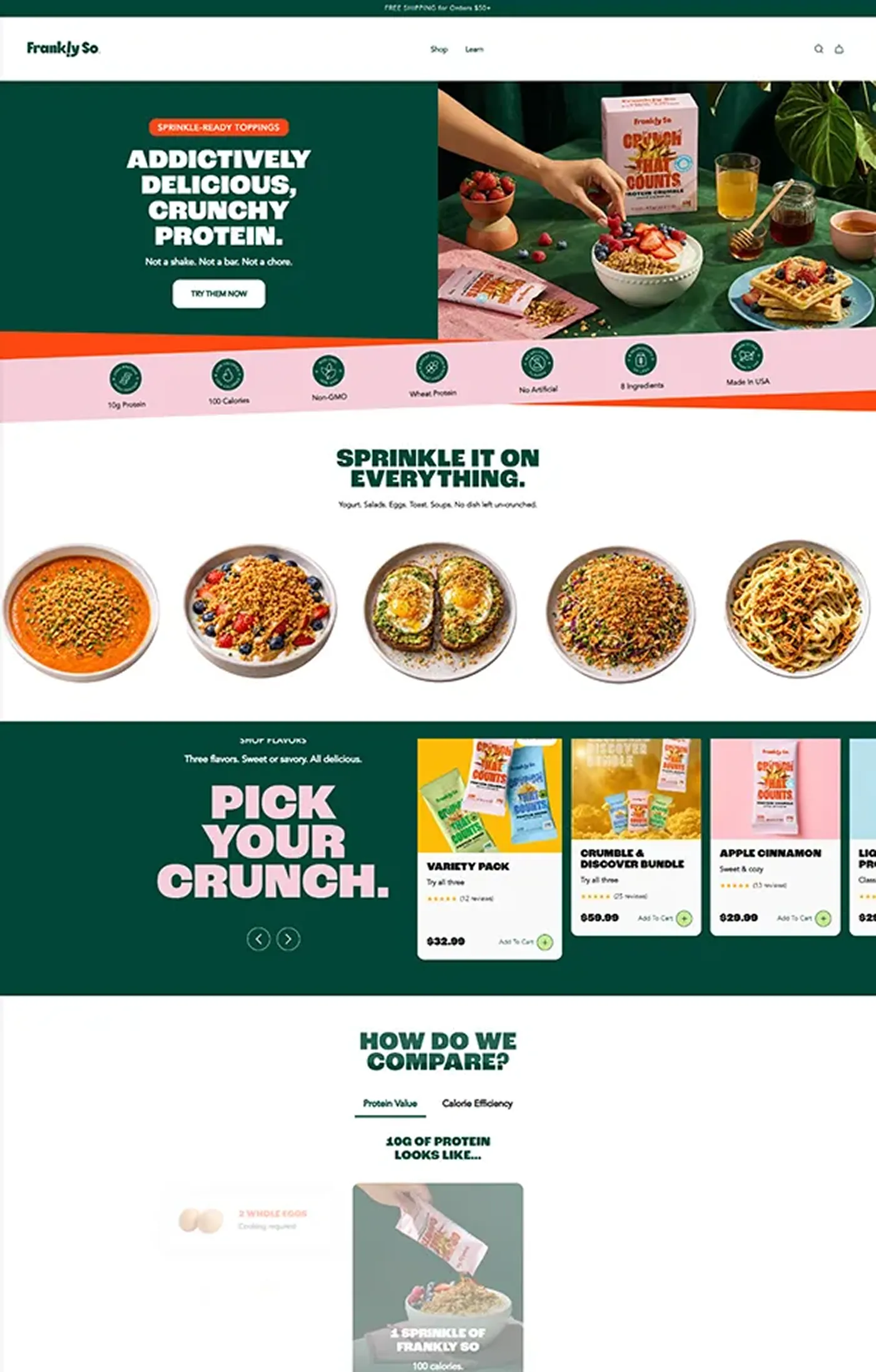
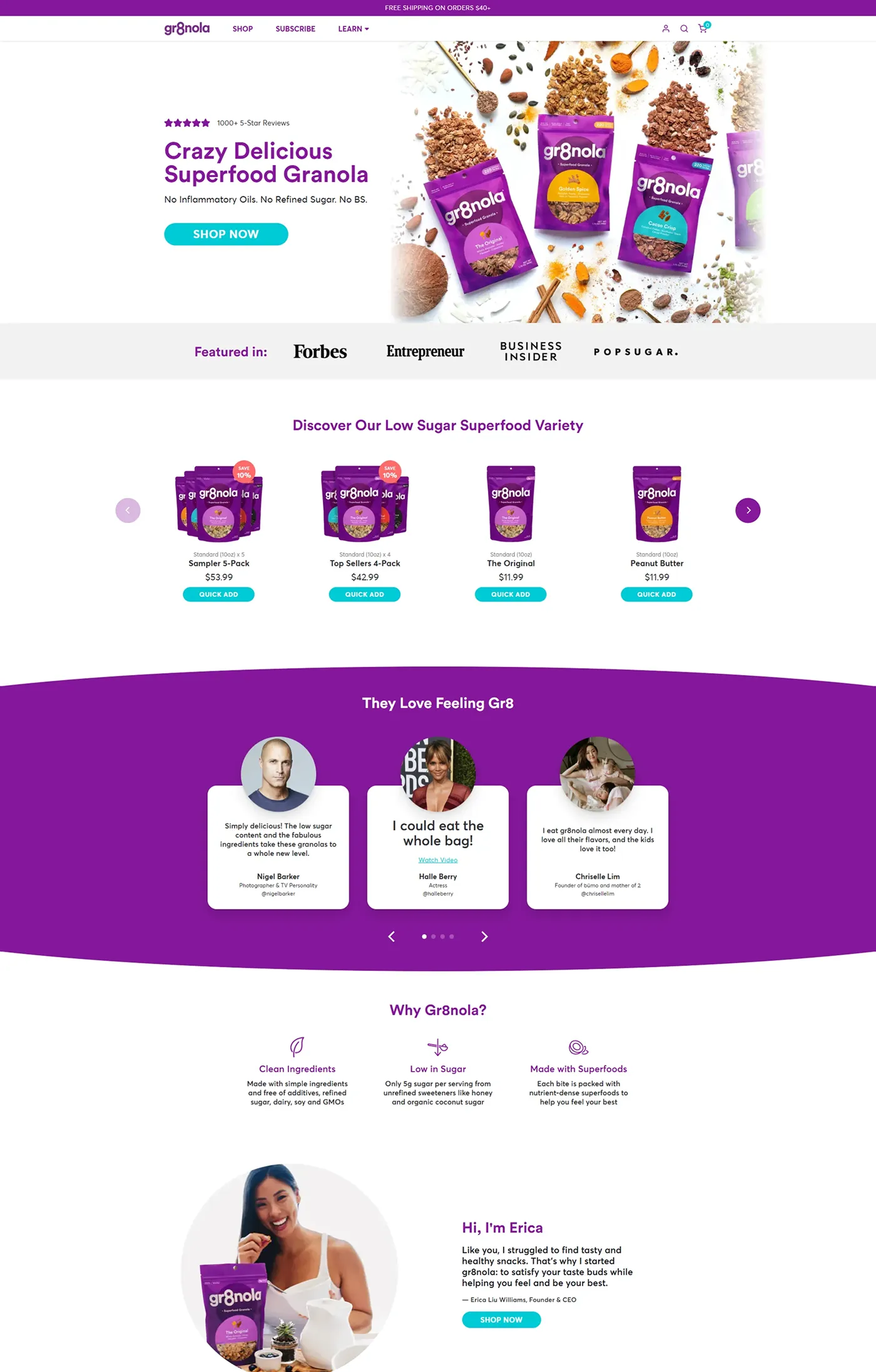
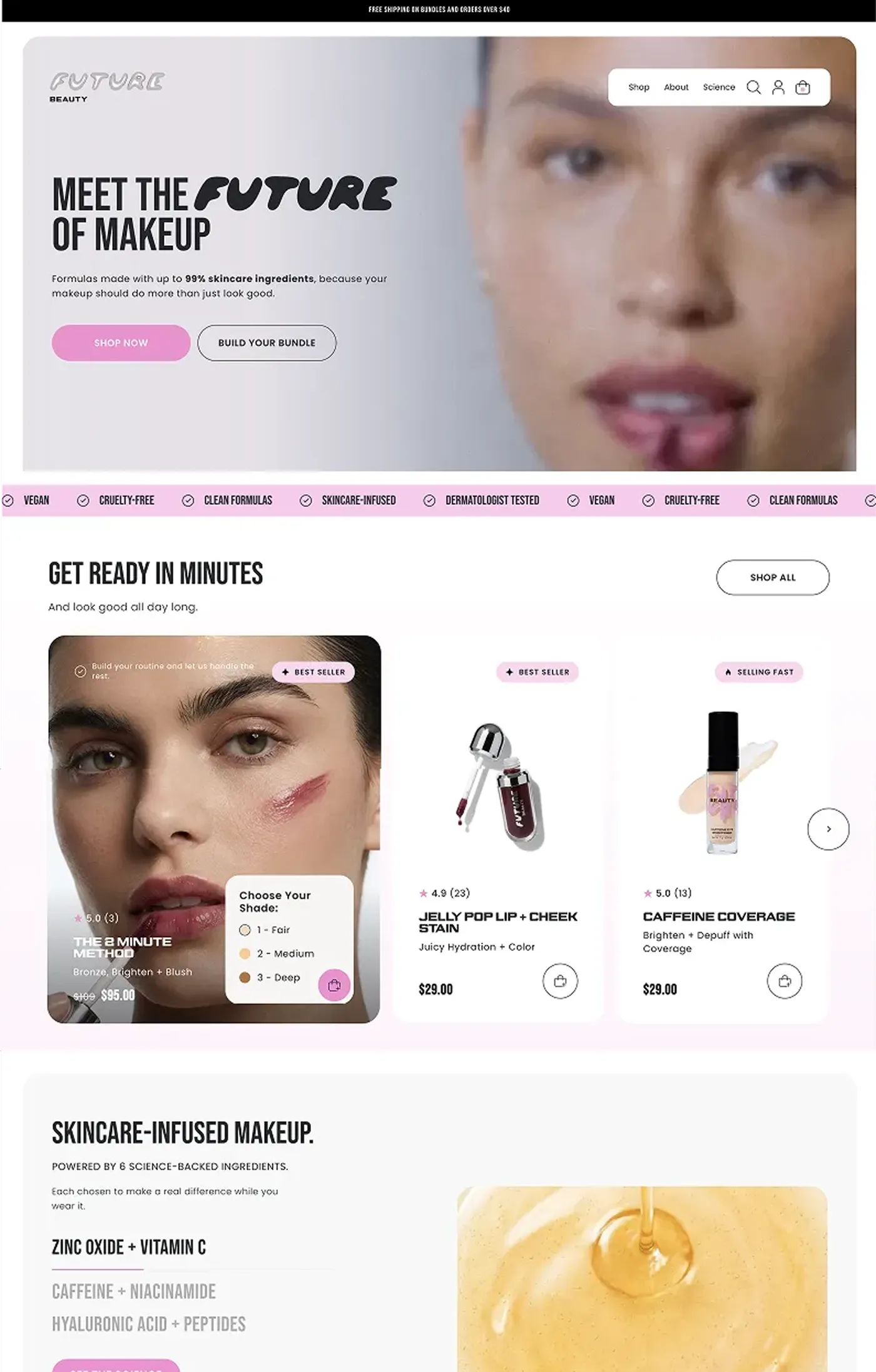
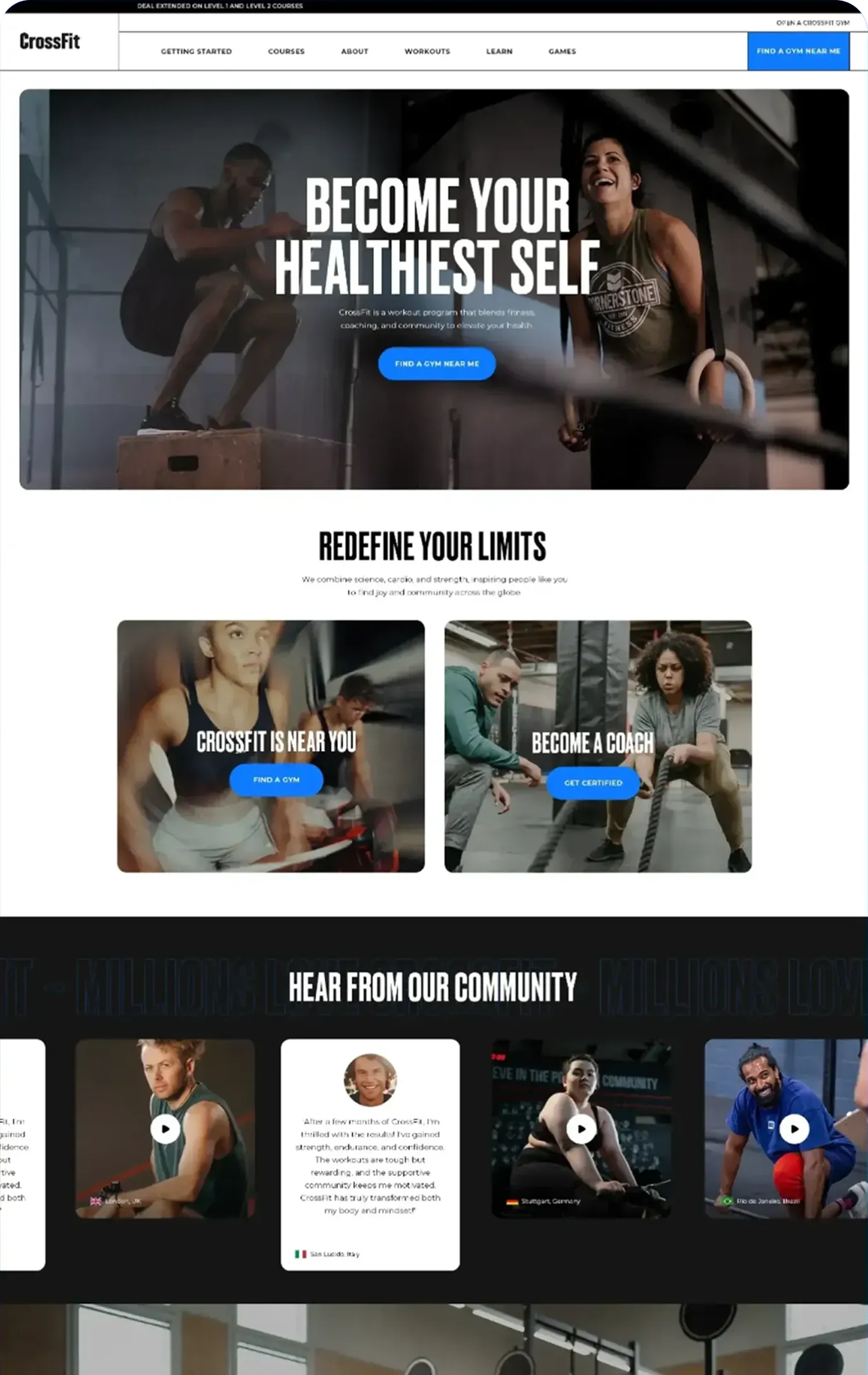
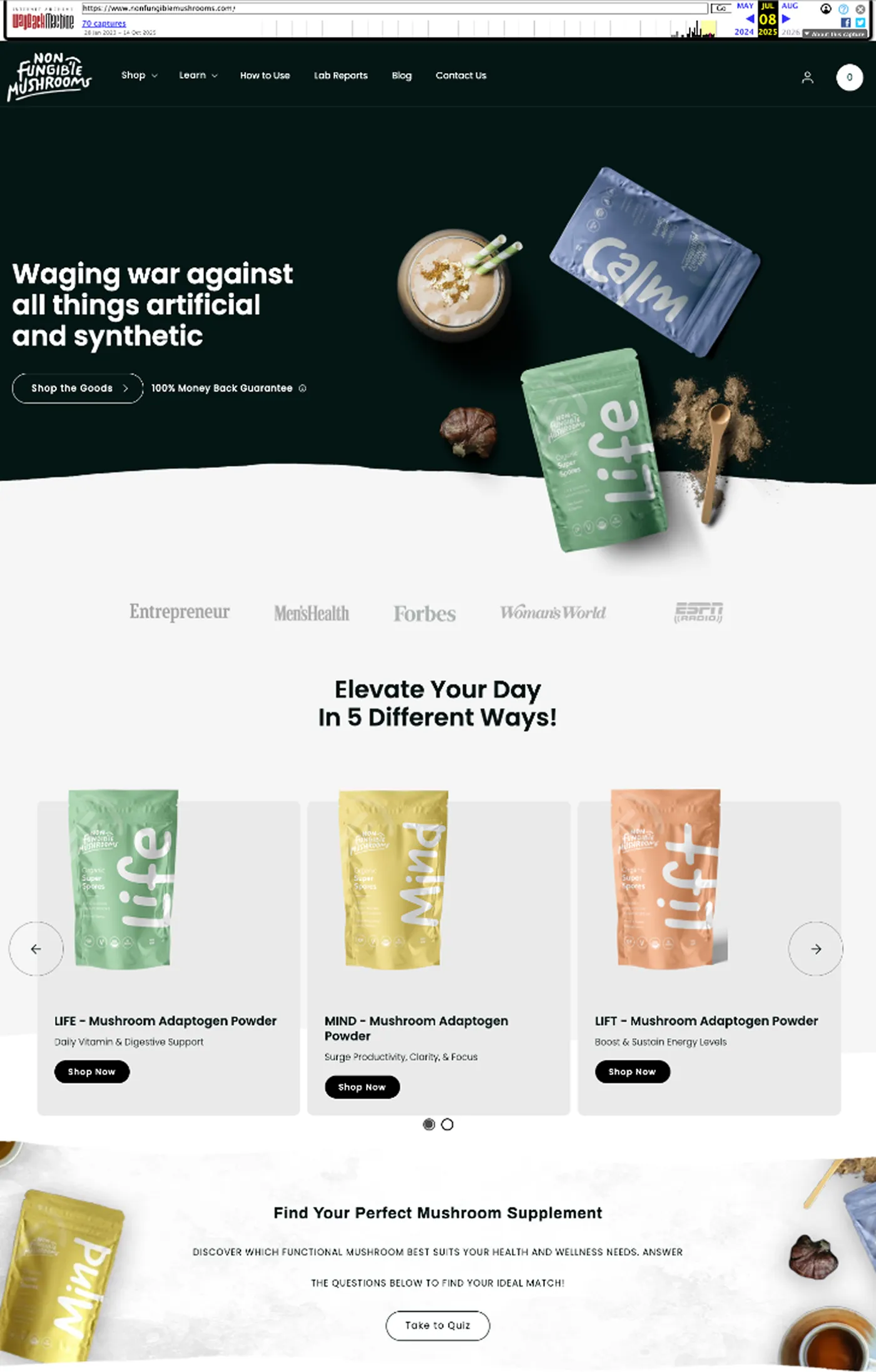
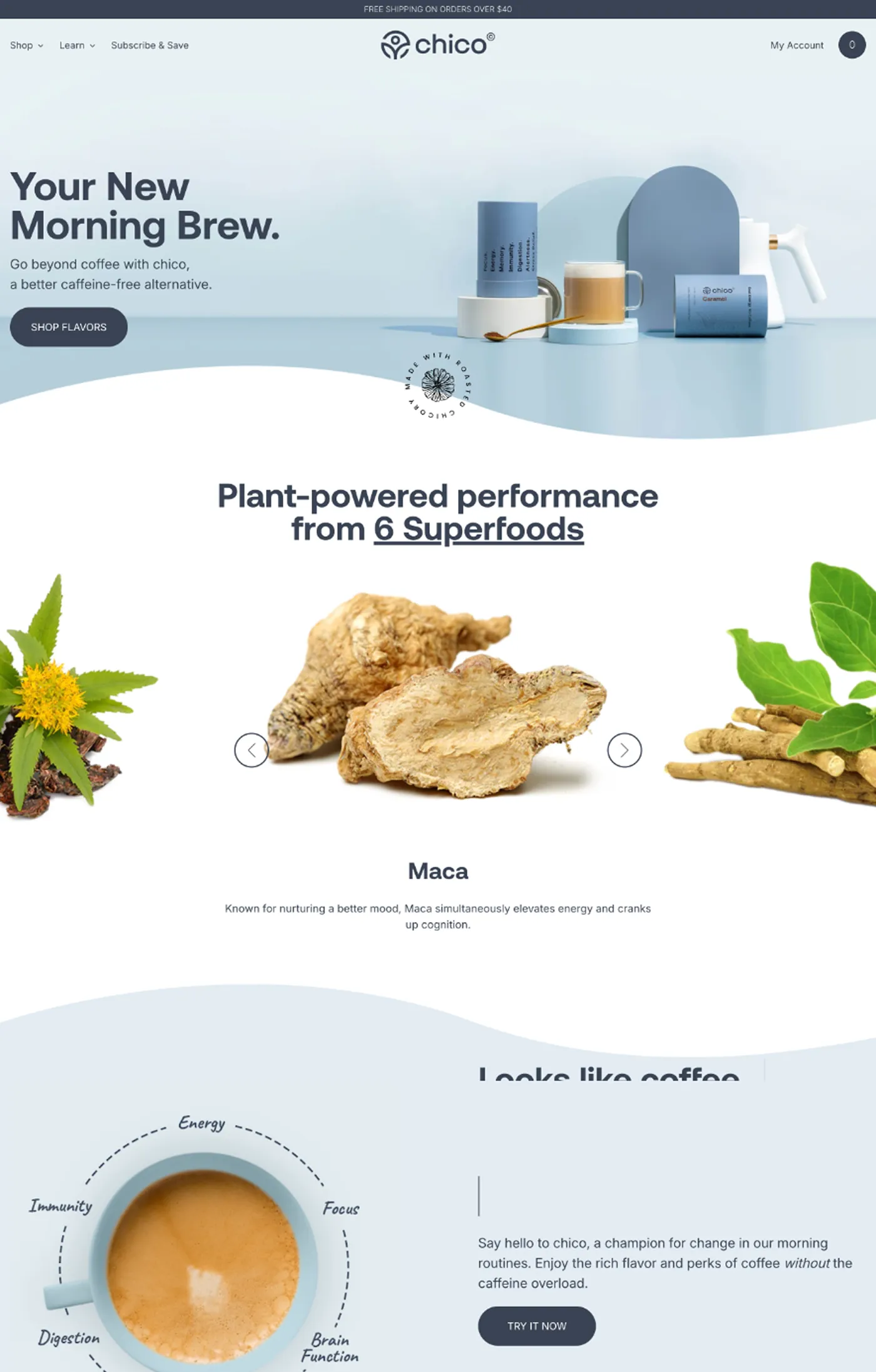
BRANDS WE'VE DONE THIS FOR
Most stores we audit have three or four of these. The teardown tells you which one is costing the most.






You pay for every visitor who lands on your store. Most of them leave without buying, and you paid for them too.
Buying more traffic is expensive. Keeping more of the traffic you already buy is usually cheaper, and it works on every visitor from here on.
30,000 sessions a month · $70 average order
Today, at 1.5%
At 2.0%
$126,000 a year, from traffic you are already paying for. Same ads, same spend, same products.
Our CRO strategists analyze the full path to purchase on your store and pinpoint what stops people from completing the sale.

The friction points we find on your website pages, your cart and checkout, and mobile: gaps, missing elements, and steps that make people hesitate.

How it holds up against current ecommerce standards, how buying psychology actually works, and what a few competitors do at the same steps that you do not.

The main changes worth making, and which ones can move performance the fastest.
The same process we have run for 45 ecommerce brands over 7 years. The deeper work, session recordings, funnel analysis and a full testing roadmap, comes later if we end up working together.
Three of 45 ecommerce brands we've done conversion rate optimization work for.
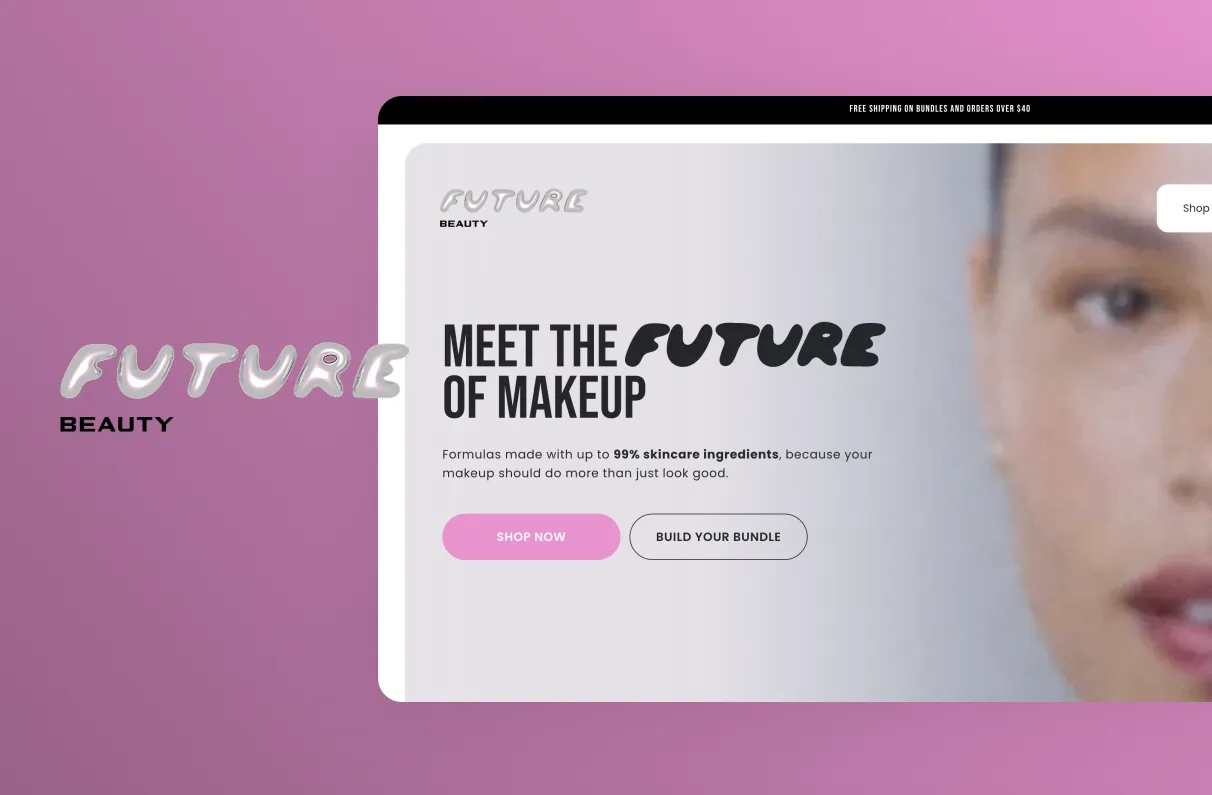
Building a future-forward e-commerce experience for a next-gen beauty brand
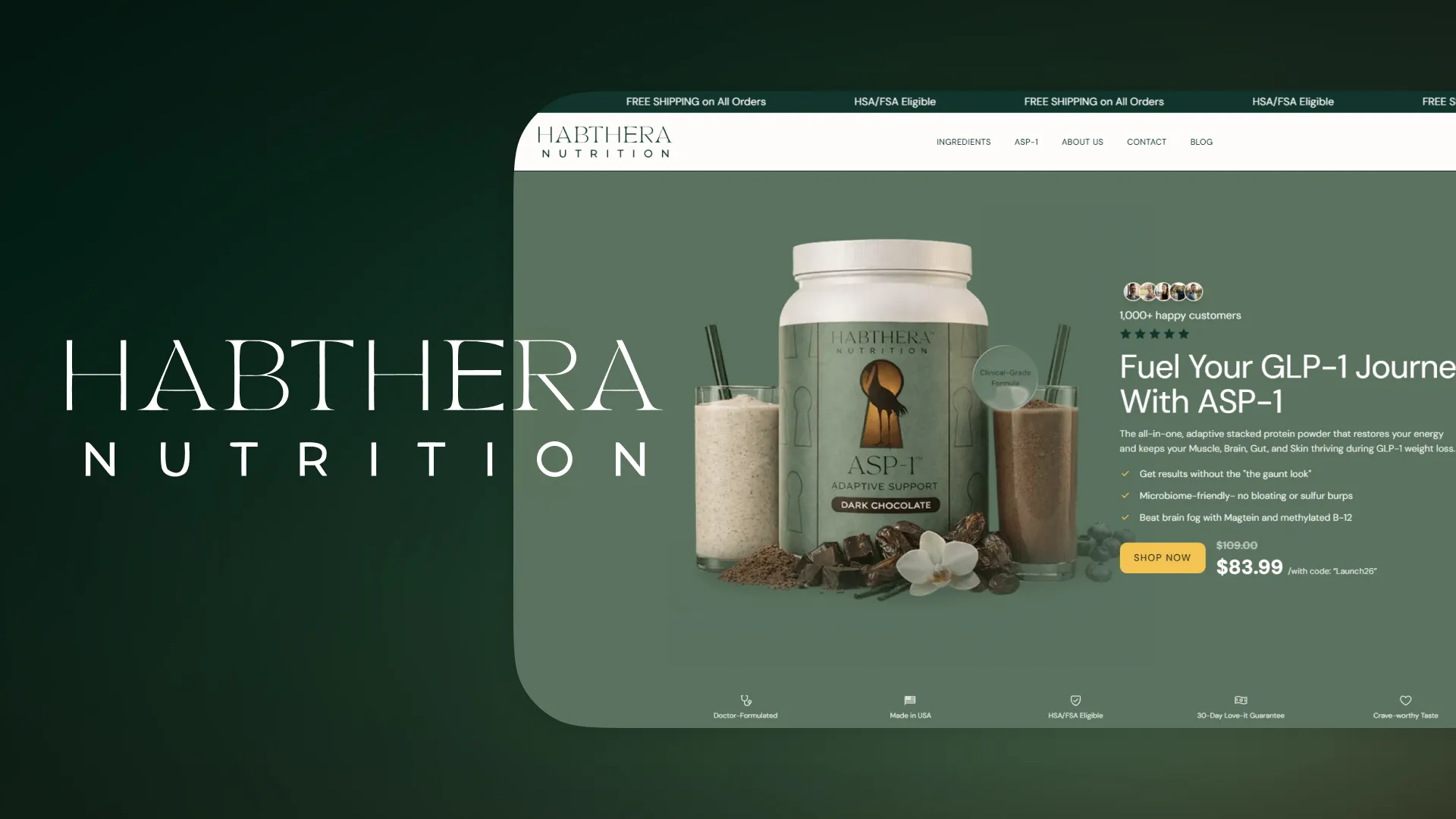
Crafting a science-led e-commerce experience for a doctor-formulated GLP-1 protein brand
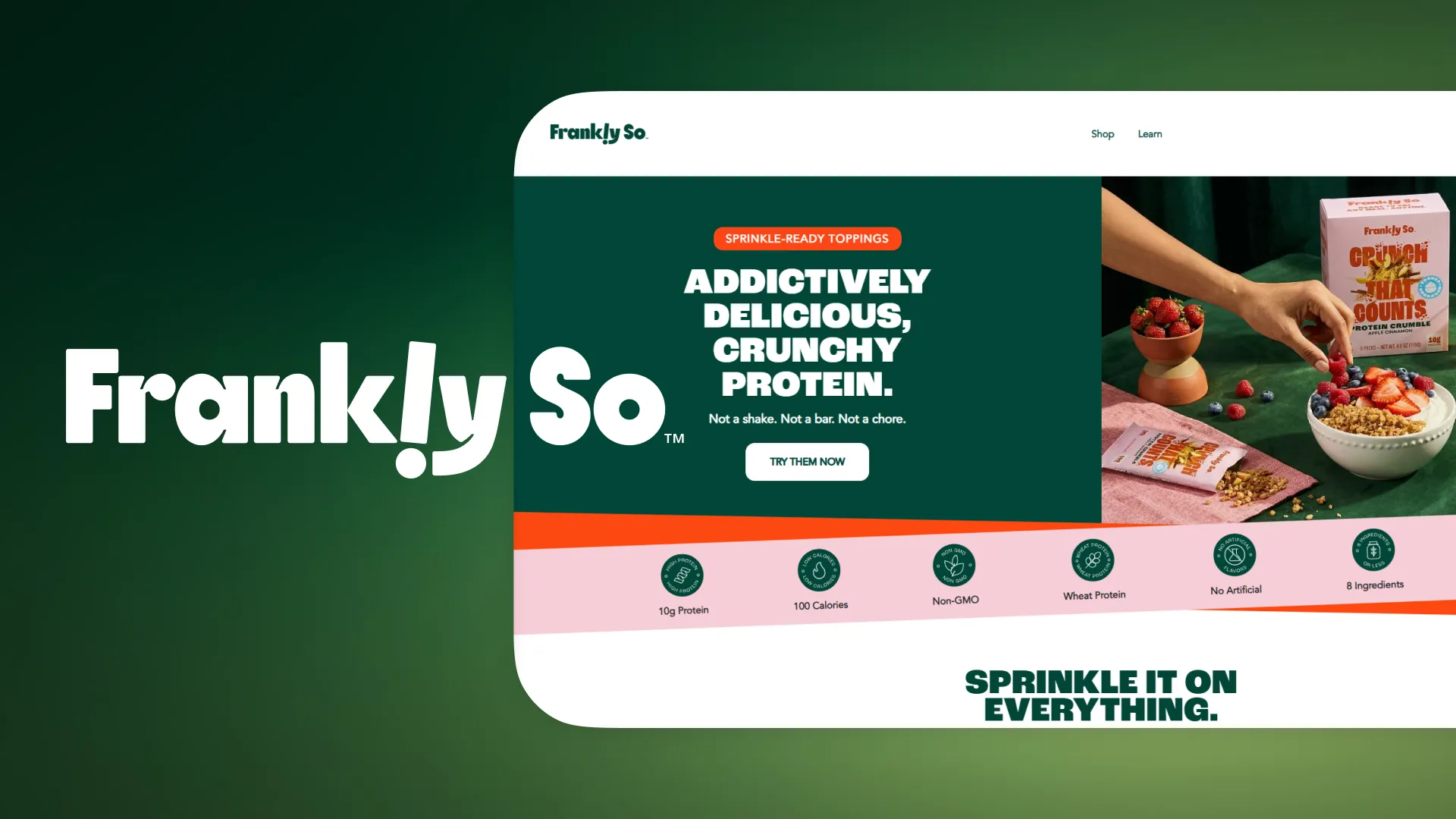
Redesigned storefront with focus on fun and education on an innovative CPG
Name, website, email. Takes less than a minute. No call needed to get started.
Our team goes through your website pages, your checkout and your closest competitors, the same way we have for 45 ecommerce brands. Nothing needed from you.
Once it's ready, we reach out to set up a quick call and show you exactly what we found. The teardown is yours to keep, whatever you decide next.
Designers and developers sit on the same team as the strategists, so what we find on Monday isn't waiting on your dev queue in March.
We run brand strategy alongside the conversion work, so the changes that lift your numbers still look and sound like you.
The person who runs your teardown reviews every iteration the designers and developers ship, so the reason for a change survives the build.



Charly Agency's efforts increased organic search traffic by 89% and decreased the cost per conversion by 17%. Their commitment to quality work, and persistence to keep working until the website was perfect was impressive.

Thanks to Charly Agency's efforts, the client saw an increase in conversion. The team was responsive and delivered on time.

Conversions jumped by double digits, and we're now in a solid position to measure and push conversion further, especially on gym finder usage and affiliate interest.

Visitors increased more than two-fold and new sign-ups by 60%. The team was great to communicate with and delivered results on time.

They got our cost per click down while improving our conversion rate. The landing pages they designed had a direct impact on our campaign efficiency.

The results have been phenomenal. The most impressive outcome of the redesign has been a 20% increase in our conversion rate in only four weeks, proving the effectiveness of Charly Agency's design and strategy.

I've seen a huge increase in sales. We're so happy with how the site turned out!

Our new website has made a huge difference for our business. Our site now instills confidence. The collaboration process was seamless and we have seen a surge in conversions.

The teardown works best for DTC brands doing at least 10,000 sessions a month. Below that there usually isn't enough traffic to work with, and you're better off putting the budget into acquisition first. We also don't sell a fixed CRO package, so what we propose after the audit depends on what it turns up.
No. Everything in the teardown comes from what's publicly visible on your store.
Nothing. Send us your store URL when you book and we'll take it from there.
The audit comes first, free and with no call required. Once it's ready, we'll reach out to set up a call and walk you through it. If it makes sense to keep working together after that, we'll say so, and the audit stays yours either way.
Shopify most of the time, plus Webflow, WordPress and custom builds. Most of what costs you conversions sits in the copy, the hierarchy and the flow, and that's the same problem on every platform.
Design and conversion are two different jobs. A designer makes the page look right. Our work is about what a first-time buyer has to see, and in what order, before they will hand over a card. In most cases we work alongside the designer you already have: we find what is costing you sales, they build it. If it is faster for you, our team builds it instead.
Takes under a minute. No call required to start.
%20(1).webp)